


What Are Anti-Caking Agents and Are They Bad for You
Release time: 2026-09-11
Table of Contents
Anti-caking agents are functional additives used to prevent powders and granules from sticking together during storage, transportation, and handling. They are commonly used in fertilizers, food ingredients, minerals, chemicals, and pharmaceutical materials.
In fertilizer production, these products help maintain granule flowability, reduce hard lumps, and improve handling performance. However, whether an anti-caking product is harmful depends on its composition, dosage, exposure route, handling conditions, and intended application.
A product designed for fertilizer treatment is not automatically suitable for food, animal feed, pharmaceuticals, or other consumer products. Fertilizer manufacturers should always choose a product according to its technical documentation and intended use.
What Are Fertilizer Anti-Caking Agents?
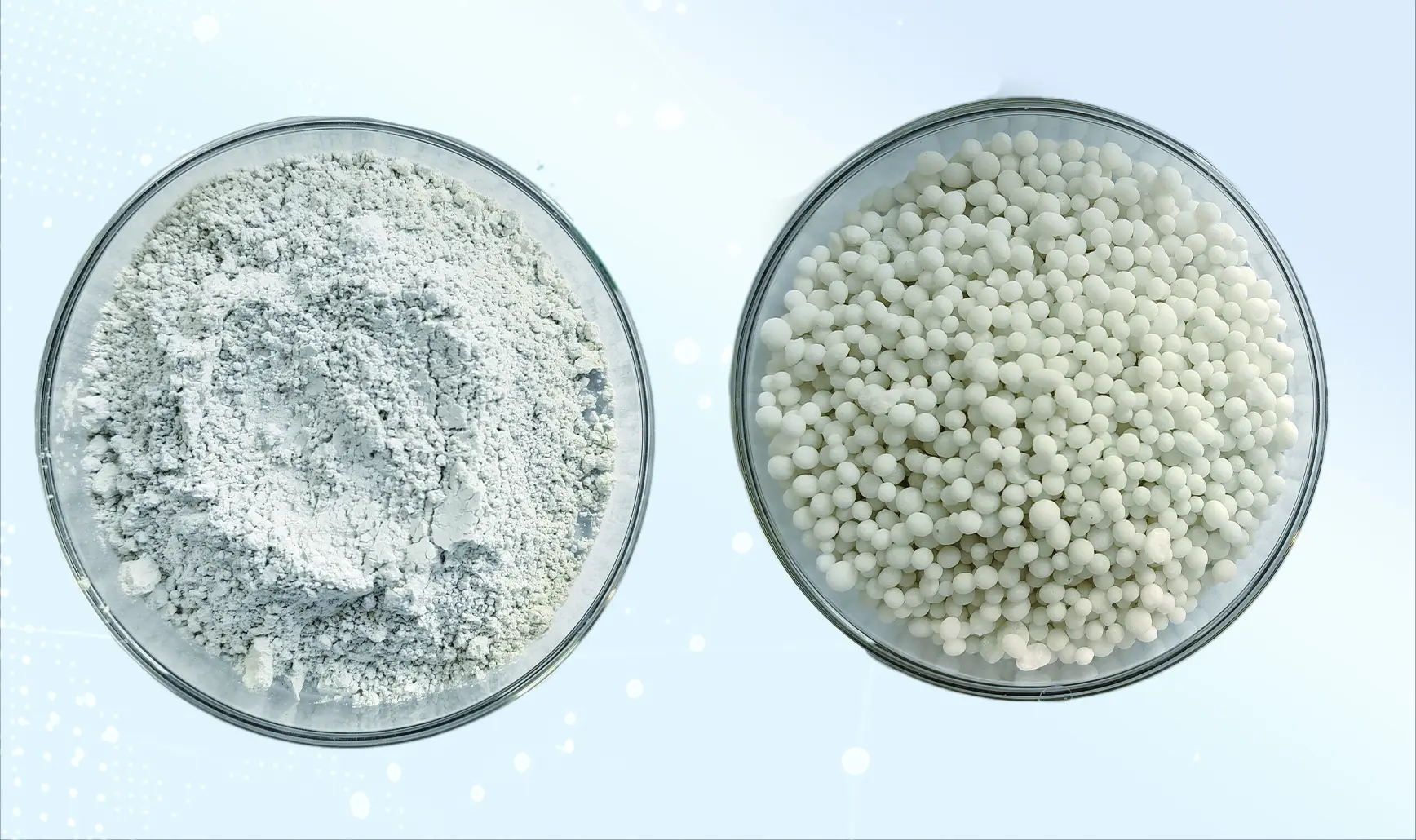
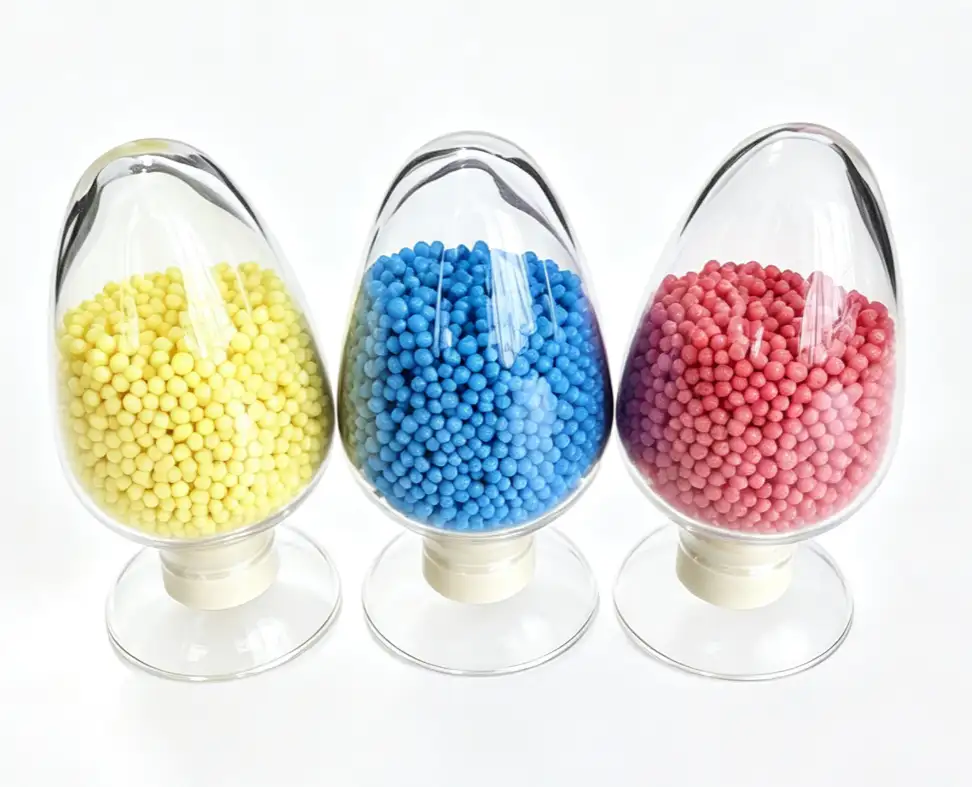
Fertilizer anti-caking agents are surface-treatment products used to reduce the formation of lumps in granular or prilled fertilizers. They may work by reducing moisture absorption, improving particle separation, lowering surface adhesion, or forming a protective layer on the granule surface.
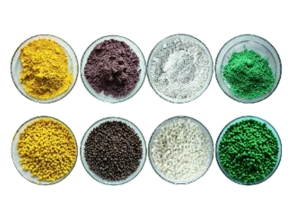
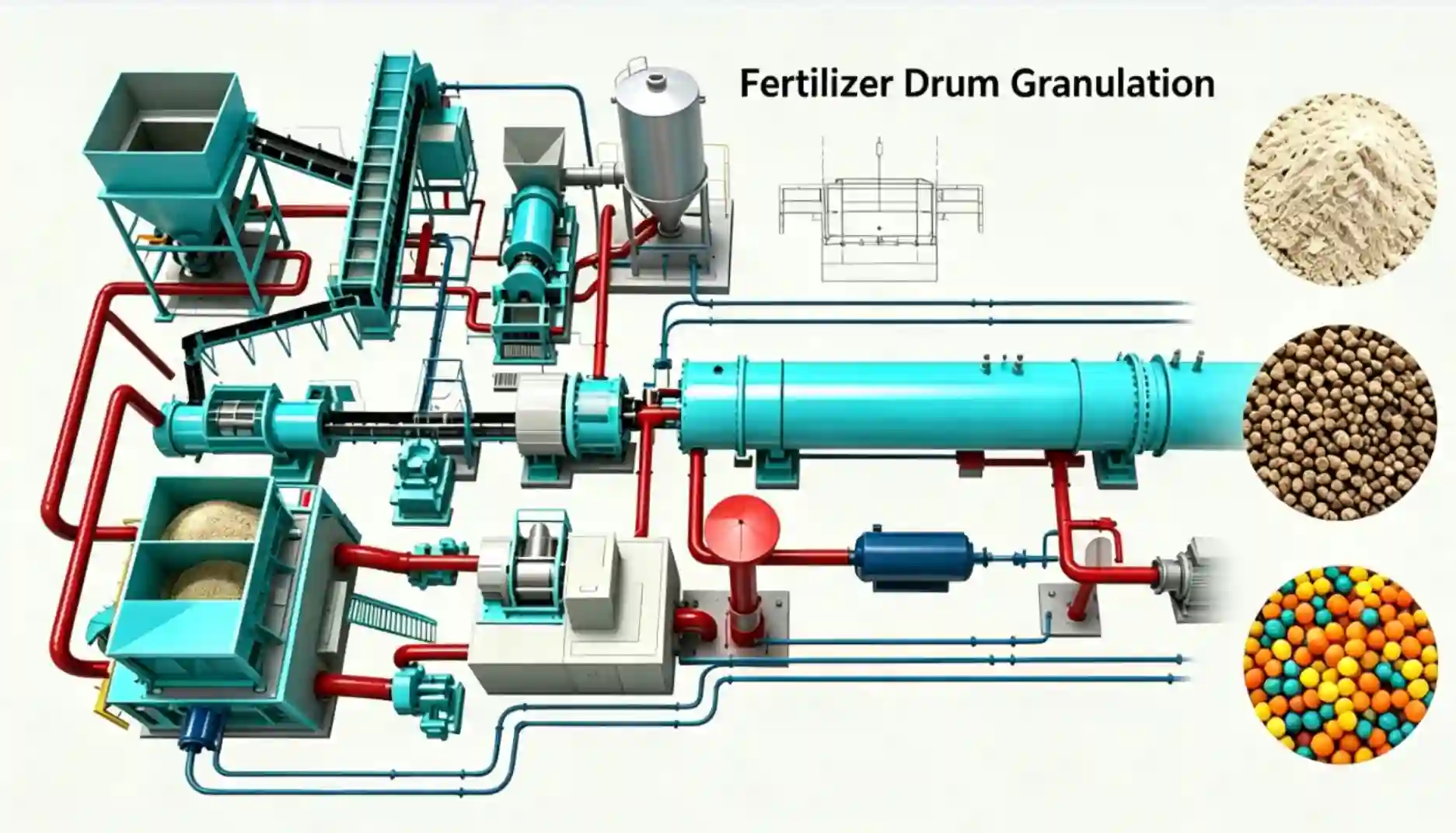
Depending on the application, fertilizer manufacturers may use liquid coatings, powder conditioners, or combined surface-treatment systems. The most suitable option depends on the fertilizer formulation, granule structure, production process, storage period, and transportation environment.
Common applications include:
- Urea.
- NPK fertilizer.
- MAP and DAP.
- Ammonium nitrate-based fertilizer.
- Potash fertilizer.
- Compound fertilizer.
- Selected water-soluble fertilizer products.
These products do not normally serve as nutrient sources. Their main purpose is to preserve the physical quality of fertilizer during storage, transportation, packaging, and application.
Why Does Fertilizer Cake?
Fertilizer caking is commonly associated with moisture, temperature changes, pressure, and particle contact.
Many fertilizer granules absorb moisture from the air. When humidity reaches a certain level, a thin moisture film may form on the particle surface. Soluble fertilizer material can then dissolve at the contact points between granules. As moisture later evaporates or the temperature changes, the dissolved material may recrystallize and form solid bridges.
This process can gradually transform loose granules into soft lumps or hard blocks.
Several factors may increase the risk of caking:
- High warehouse humidity.
- Insufficient cooling before packaging.
- Temperature fluctuations during transportation.
- Excessive stacking pressure.
- High moisture content.
- Weak granules and high fines content.
- Long storage periods.
- Poorly sealed packaging.
A proper fertilizer caking prevention program should therefore include more than a coating product. Drying, cooling, screening, packaging, warehouse management, and transportation control all influence the final result.
How Do Anti-Caking Products Work?
Different formulations may use different mechanisms, but most products work through one or more of the following functions.
Moisture protection
A surface-treatment product can reduce the speed at which moisture reaches the fertilizer granule. This is especially important for hygroscopic fertilizers stored in humid environments.
Surface coating
A liquid coating spreads over the granule and forms a thin protective layer. A suitable coating can reduce direct contact between the fertilizer surface and atmospheric moisture.
The coating may also reduce direct solid-to-solid contact between particles, helping limit adhesion caused by pressure and moisture.
Particle separation
Powder-based products can act as a physical barrier between fertilizer granules. By reducing the number of direct contact points, they may help prevent crystal bridge formation.
Improved flowability
A surface treatment can reduce friction between particles and help fertilizer move more smoothly through conveyors, hoppers, packaging machines, and loading systems.
This is why many manufacturers consider a suitable fertilizer flowability additive when they experience poor discharge, bridging, or inconsistent feeding in production equipment.
Dust reduction
Some coating systems may bind loose fines to the granule surface and reduce dust during handling. However, dust control and caking prevention are different performance targets and should be tested separately.
Liquid Coating vs. Powder Treatment
The two most common product forms are liquid coating materials and powder-based conditioners.
| Factor | Liquid Coating | Powder Treatment |
|---|---|---|
| Main action | Forms a protective film on the granule surface | Separates particles or conditions the surface |
| Application method | Spraying, metering, or drum coating | Powder dosing and dry mixing |
| Key equipment | Pumps, pipelines, spray nozzles, and coating drums | Powder feeders and mixing systems |
| Moisture protection | Often suitable for continuous surface protection | Depends on powder type and dispersion |
| Dust performance | May help bind surface fines | May increase dust if poorly handled |
| Main concerns | Viscosity, temperature, film formation, and compatibility | Particle size, dispersion, dosage, and dust |
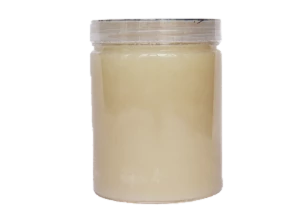
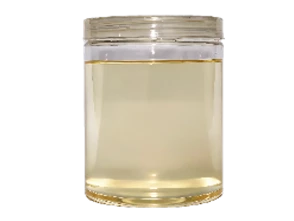
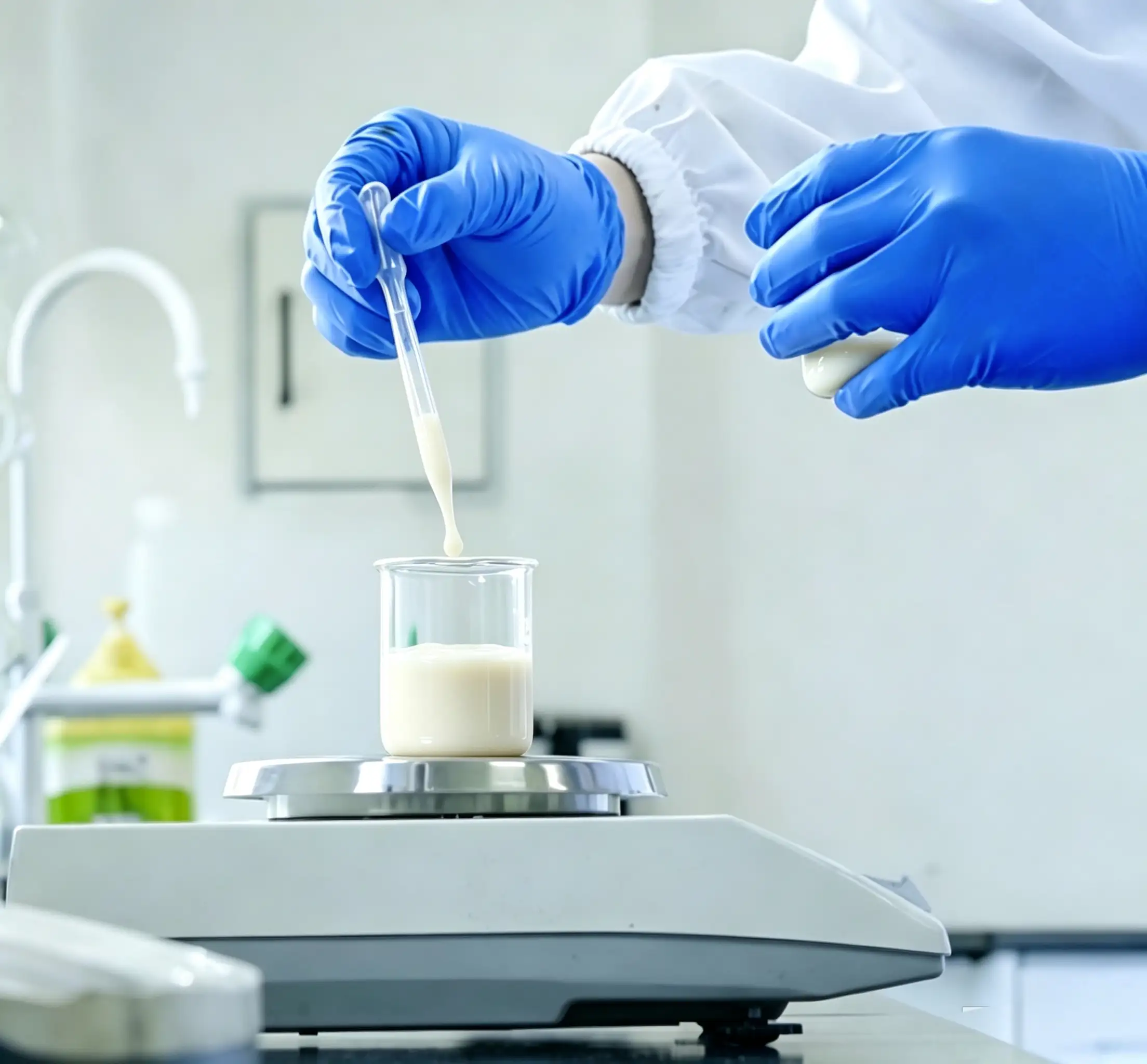
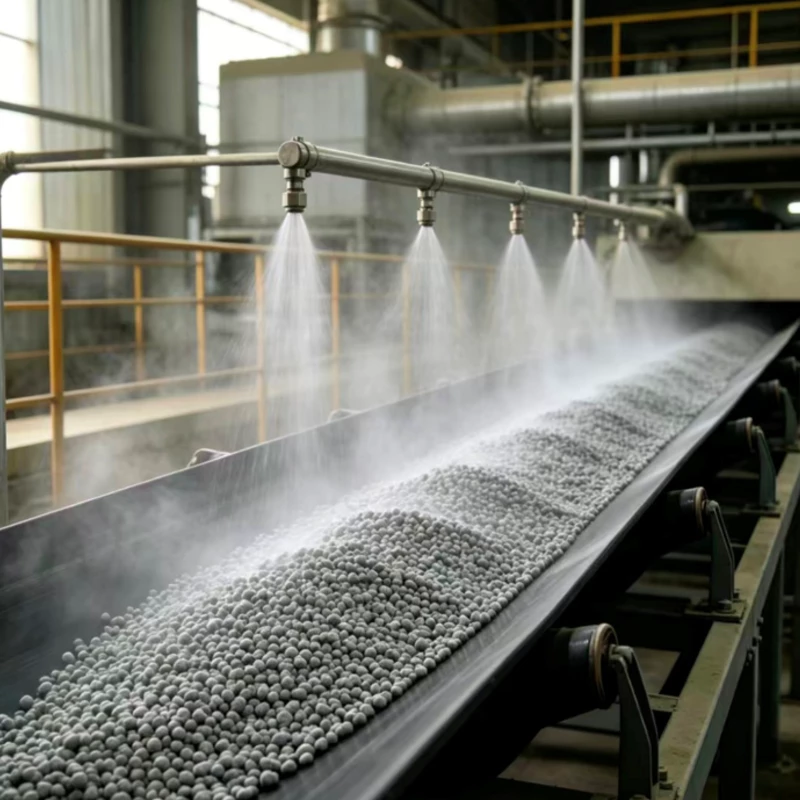
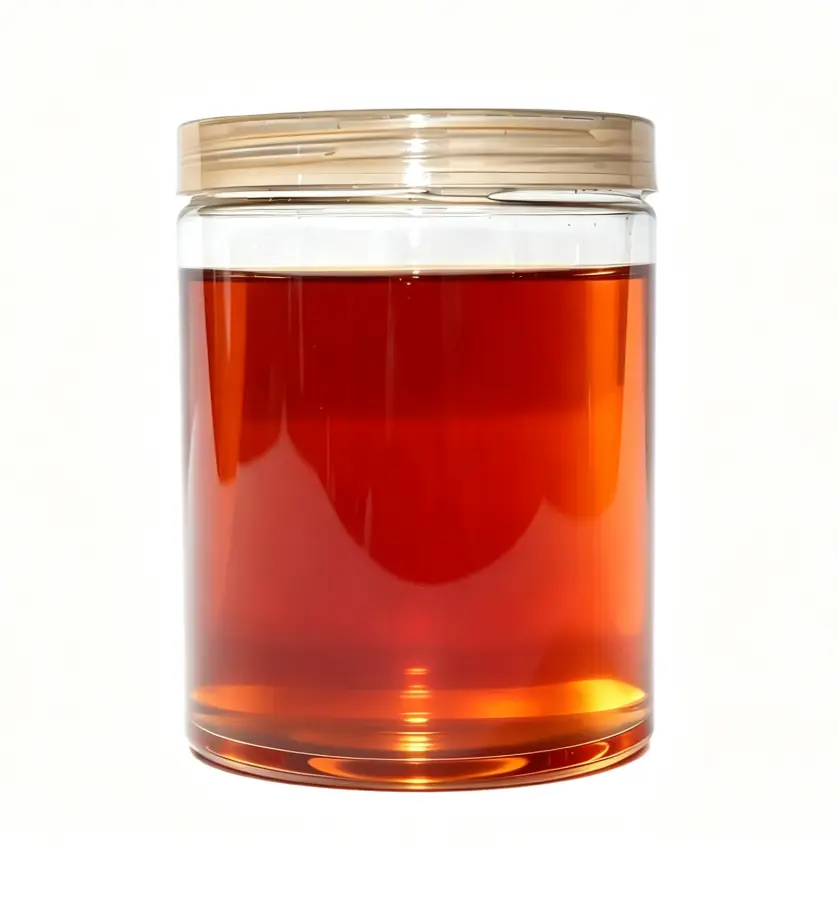
A fertilizer anti-caking oil may be suitable for production lines equipped with liquid spraying systems and for products requiring continuous surface protection.
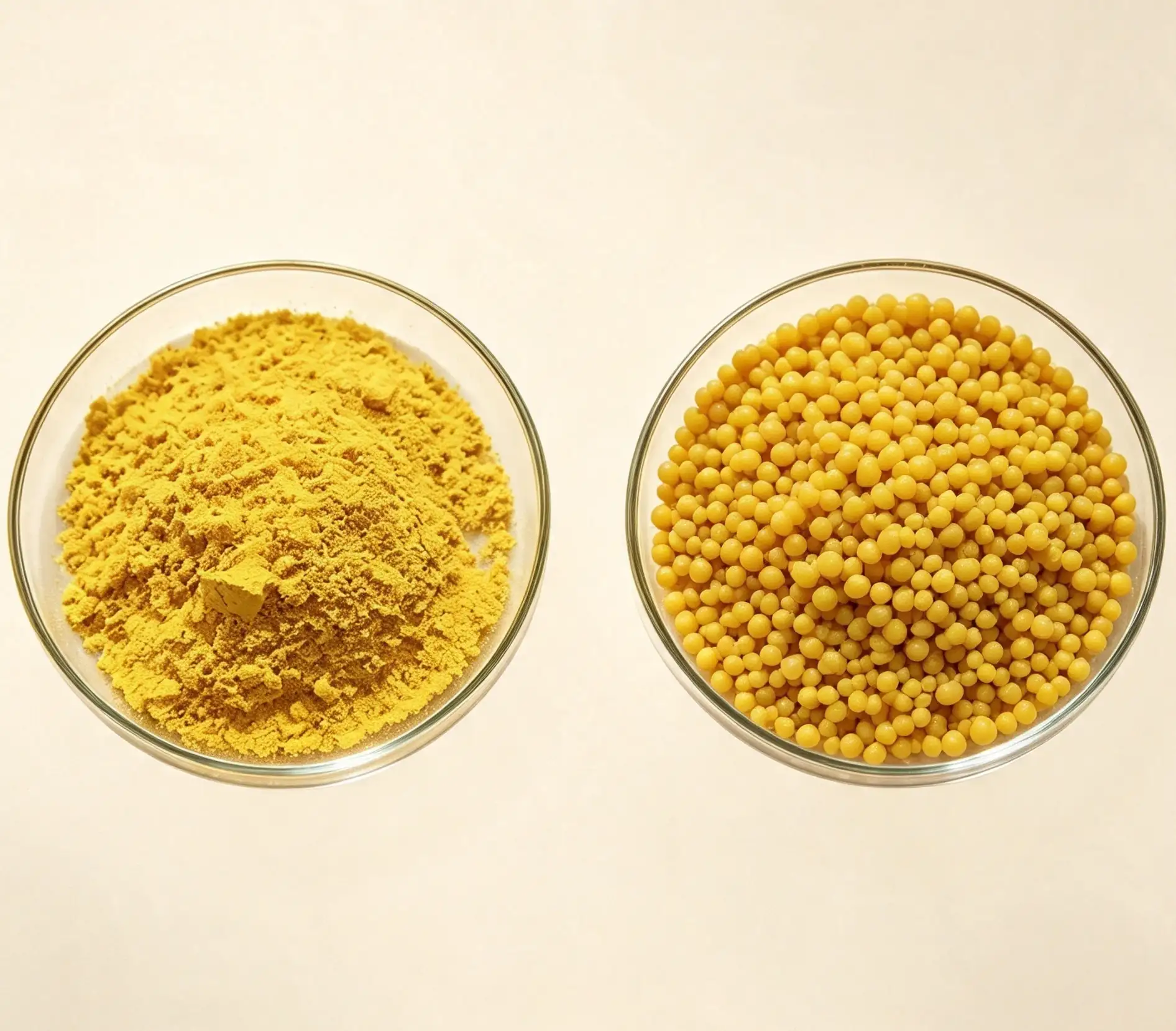
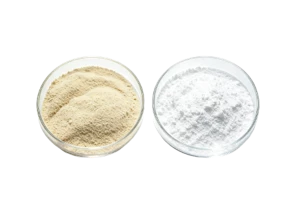
A powder product may be more convenient for dry-blending operations or applications where physical particle separation is preferred. In some production systems, liquid and powder treatments may also be evaluated together, but compatibility and dosage must be confirmed before commercial use.
Are Fertilizer Anti-Caking Agents Safe?
Fertilizer anti-caking agents are industrial products, so they should be handled according to their safety documentation and intended use. They are not automatically harmful when used correctly, but they should not be treated as ordinary consumer materials.
Safety depends on factors such as:
- Chemical composition.
- Product classification.
- Application dosage.
- Exposure route.
- Workplace ventilation.
- Contact time.
- Personal protective equipment.
- Storage and spill-control procedures.
- Disposal requirements.
The term “anti-caking agent” describes a function rather than one specific chemical. Different products may contain mineral powders, oils, polymers, fatty-acid derivatives, silicates, carbonates, or other functional materials. Their handling requirements can therefore vary significantly.
Before use, manufacturers should review the product’s Safety Data Sheet, technical data sheet, Certificate of Analysis, recommended dosage, storage instructions, and application limitations.
Is Fertilizer Anti-Caking Oil Safe to Handle?
Liquid products should be handled as industrial chemical materials. Operators should avoid unnecessary contact with the skin and eyes, and they should prevent exposure to spray mist or airborne droplets.
Depending on the product formulation and application method, suitable measures may include:
- Chemical-resistant gloves.
- Safety glasses or goggles.
- Protective work clothing.
- Good local ventilation.
- Closed transfer systems.
- Respiratory protection when required.
- Clearly labeled storage containers.
The exact requirements should always follow the supplier’s current documentation. A general statement about one product should not be applied to every liquid fertilizer coating.
When used in a fertilizer production line, the coating system should also be checked for proper pump operation, spray pattern, nozzle condition, and leakage control. Good equipment management reduces both material waste and operator exposure.
Is Fertilizer Anti-Caking Powder Safe to Use?
Powder products require careful dust management. Airborne particles may irritate the eyes, skin, throat, or respiratory system, even when the product is not classified as highly hazardous.
Manufacturers should consider:
- Enclosed powder transfer.
- Controlled dosing equipment.
- Local exhaust ventilation.
- Dust collection systems.
- Proper cleaning procedures.
- Avoiding compressed air for dry dust removal.
- Appropriate respiratory protection when required.
A powder-based fertilizer coating agent should be evaluated not only for caking performance, but also for its dust profile, dispersion behavior, and compatibility with the fertilizer production line.
Manual handling from open bags can lead to inconsistent dosing and unnecessary dust. Automated or semi-automated dosing is generally preferable for commercial production.
Are Fertilizer and Food Anti-Caking Agents the Same?
No. Fertilizer products and food additives belong to different application categories and follow different requirements.
Food anti-caking products are intended for edible materials and must meet food-related standards for purity, permitted use, labeling, and human consumption.
Fertilizer products are designed for agricultural materials and are evaluated according to requirements such as:
- Moisture resistance.
- Fertilizer compatibility.
- Granule surface protection.
- Flowability.
- Storage stability.
- Dust control.
- Bulk handling.
- Transportation performance.
A fertilizer-grade anti-caking product must not be used in food, animal feed, pharmaceuticals, cosmetics, or other consumer applications unless it has the necessary approval for that specific use.
Likewise, a food-grade product should not automatically be assumed to provide sufficient protection for fertilizer. The formulation may not be designed for fertilizer salts, long-term storage, large-scale coating, or high-pressure transport conditions.
How Should Buyers Evaluate an Anti-Caking Product?
Before purchasing, fertilizer manufacturers should request complete product information and conduct practical testing.
Documents to review
- Safety Data Sheet.
- Technical Data Sheet.
- Certificate of Analysis.
- Product specification.
- Recommended dosage.
- Storage and shelf-life information.
- Packaging and transportation details.
- Applicable compliance information.
Performance questions
Ask the supplier:
- Which fertilizer types have been tested?
- Is the product suitable for urea, NPK, MAP, or DAP?
- Is it designed for liquid spraying or dry blending?
- What operating temperature is recommended?
- Does it affect fertilizer dissolution?
- How does it perform under high humidity?
- Can it reduce dust as well as caking?
- Is technical support available for a production-line trial?
Recommended tests
Use representative samples from the actual production line and evaluate:
- Caking strength.
- Flowability.
- Moisture absorption.
- Granule breakage.
- Dust generation.
- Surface appearance.
- Dissolution performance.
- Packaging compatibility.
- Storage stability.
The best product is not necessarily the one with the highest dosage or strongest immediate coating. It should provide a balanced combination of performance, compatibility, safety, and cost.
Furuixue Fertilizer Anti-Caking Solutions
Furuixue provides fertilizer anti-caking oil and fertilizer anti-caking powder solutions for different granular fertilizer applications. The suitable product can be evaluated according to fertilizer formulation, granule size, moisture content, production temperature, coating equipment, storage period, and transportation conditions.
For liquid spraying and surface-film protection, Furuixue’s fertilizer anti-caking oil can be considered for urea, NPK, MAP, DAP, and other fertilizer applications. For dry blending, particle separation, or powder-conditioning processes, Furuixue’s powder-based solution may be more suitable.
Before commercial use, manufacturers should review the relevant safety documents, confirm the recommended dosage, and conduct compatibility and storage tests using representative fertilizer samples. Furuixue can support the evaluation process and help fertilizer manufacturers select a practical anti-caking solution for their production requirements.