


How to Choose the Right Anti-Caking Agent for Your Fertilizer Type
Release time: 2026-09-02
Table of Contents
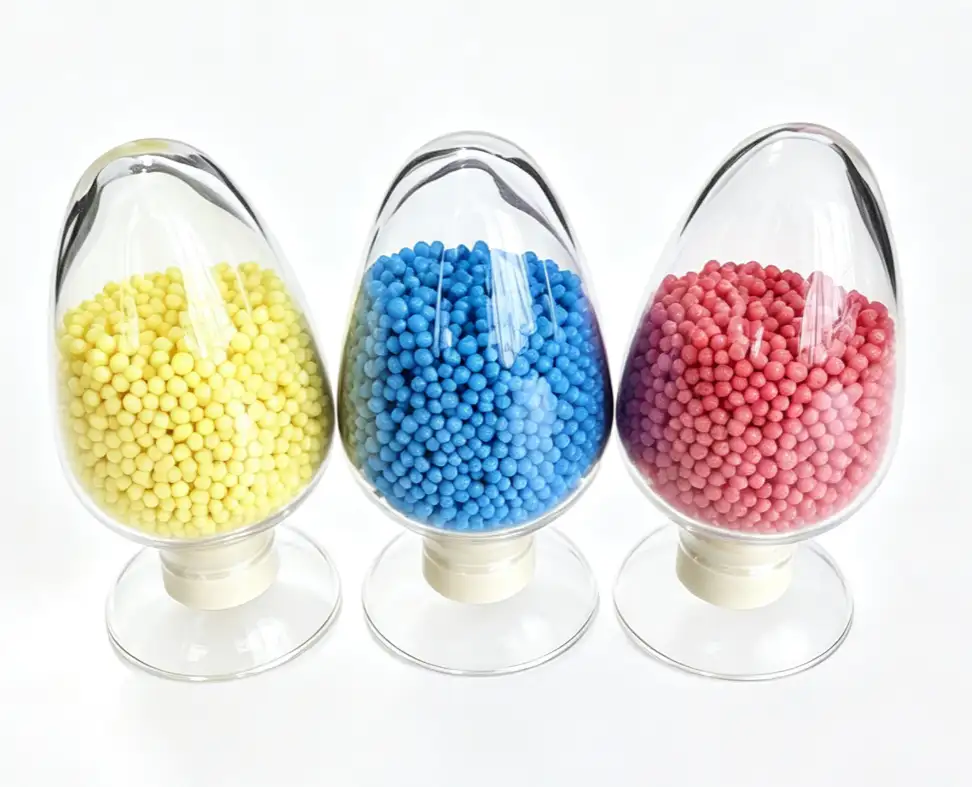
Fertilizer caking during storage, transportation, and application is commonly related to moisture absorption, temperature fluctuations, stacking pressure, surface moisture migration, and crystal bridge formation between particles. An anti-caking agent helps maintain fertilizer flowability by reducing moisture absorption, limiting particle adhesion, or forming a protective layer on the granule surface.
However, fertilizers differ in chemical composition, granule structure, moisture content, and storage conditions. Choosing the right anti-caking product should therefore be based on the fertilizer type, production process, application method, and expected storage environment rather than price or product name alone.
Why Do Different Fertilizers Require Different Anti-Caking Agents?
Urea, NPK, MAP, DAP, ammonium nitrate, and water-soluble fertilizers do not have exactly the same caking mechanism.
Urea, for example, is relatively sensitive to moisture absorption. Under high humidity or significant temperature changes, urea granules may absorb moisture and develop surface stickiness. NPK fertilizers may be affected by multiple salts, fine-powder content, granule strength, and compatibility between different raw materials.
Phosphate fertilizers and nitrate-based fertilizers also have specific surface characteristics and storage requirements. If the coating material is not compatible with the fertilizer, it may cause uneven coating, surface stickiness, increased dust, changes in dissolution performance, or reduced anti-caking effectiveness during storage.
When selecting an anti-caking agent for fertilizer, consider the following factors:
- Fertilizer composition.
- Granule size and strength.
- Product temperature and moisture content after production.
- Coating equipment available on the production line.
- Storage period and transportation distance.
- Temperature and humidity during storage.
- Requirements for dust control, solubility, and appearance.
Anti-Caking Oil vs. Anti-Caking Powder
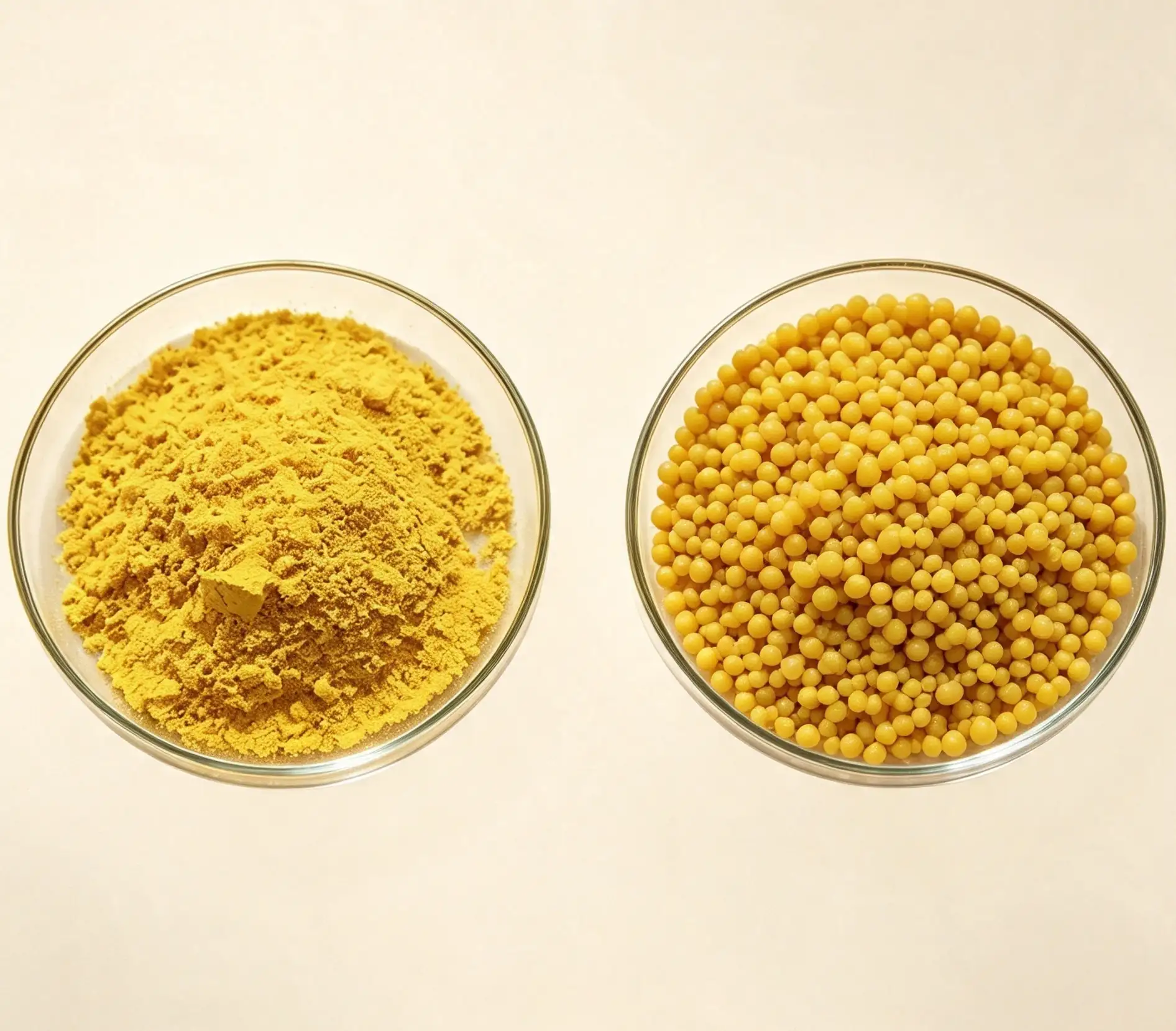
Fertilizer manufacturers commonly use liquid anti-caking oils and powder-based anti-caking products. Both can improve fertilizer storage stability and flowability, but they work in different ways and require different application systems.
| Comparison Factor | Anti-Caking Oil | Anti-Caking Powder |
|---|---|---|
| Main function | Forms a protective layer on the granule surface and reduces moisture absorption and adhesion | Separates particles, absorbs surface moisture, or conditions the granule surface |
| Application method | Usually applied by spraying, metering, or drum coating | Usually applied by powder dosing, blending, or distribution |
| Coating uniformity | Depends on spray nozzles, flow rate, and granule movement | Depends on powder particle size, dispersion, and mixing efficiency |
| Dust impact | A suitable oil-based system may help reduce surface dust | Improper powder application may increase operating dust |
| Suitable applications | Suitable when continuous surface protection and moisture resistance are required | Suitable when dry blending or physical particle separation is preferred |
| Equipment requirements | Requires pumps, pipelines, spray nozzles, or a coating system | Requires powder dosing and uniform mixing equipment |
| Main selection factors | Film formation, compatibility, viscosity, and temperature | Particle size, flowability, dispersion, and moisture absorption |
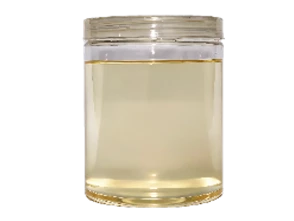
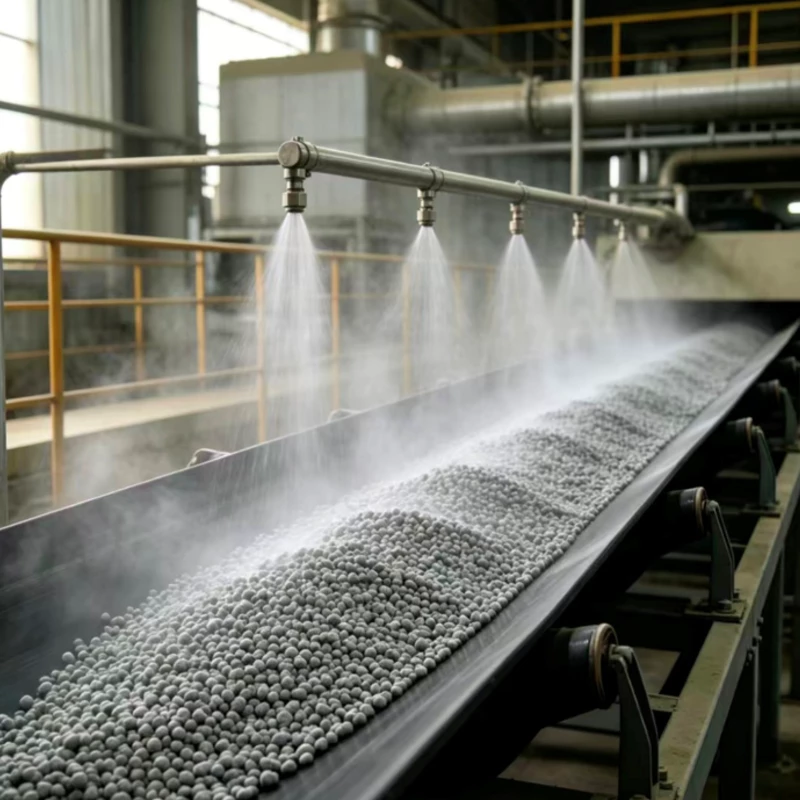
When a production line has stable spraying equipment and the fertilizer must be stored for a long period in a humid environment, fertilizer anti-caking oil may be suitable for creating continuous surface protection.
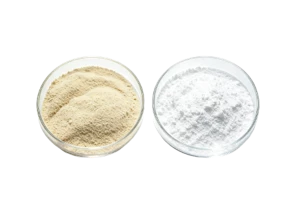
When the production process is designed for dry blending, or when a powder material is preferred for particle separation, an anti-caking powder may be more appropriate. In either case, the final decision should be based on tests using the actual fertilizer rather than theoretical performance alone.
How to Choose an Anti-Caking Agent for Urea
Urea is one of the most widely used nitrogen fertilizers and can be sensitive to moisture and temperature variations. During storage, humidity, temperature cycling, stacking pressure, and small amounts of surface moisture may gradually cause urea granules to stick together.
When selecting an anti-caking agent for urea, pay close attention to the following properties:
- Ability to reduce moisture absorption on the granule surface.
- Ability to form a continuous and uniform protective layer.
- Compatibility with urea dissolution performance.
- Resistance to excessive surface stickiness.
- Suitability for the coating temperature used on the urea production line.
- Ability to reduce powdering and caking during transportation.
For urea intended for long-term storage or long-distance transportation, film-forming performance, temperature stability, and storage stability are particularly important. An insufficient coating may not fully protect the granules, while excessive coating may increase cost, affect appearance, or cause particle adhesion. The recommended dosage should therefore be established through laboratory and production-line trials.
How to Choose an Anti-Caking Agent for NPK Fertilizer
NPK fertilizer may contain nitrogen, phosphate, potash, fillers, and other additives. Different NPK formulations can vary significantly in hygroscopicity, granule strength, surface roughness, and chemical compatibility.
When selecting an NPK anti-caking agent, evaluate not only caking resistance but also its influence on the following factors:
- Uniform coverage of the granule surface.
- Adhesion between granules.
- Dust generation after application.
- Fertilizer dissolution and disintegration.
- Compatibility with nitrogen, phosphate, and potash raw materials.
- Suitability for compound granulation or bulk blending.
- Performance during sea transportation, container shipping, and long-term storage.
For high-urea, high-nitrogen, or high-fines NPK formulations, the best results usually require a combination of granule-strength control, effective cooling, screening, and surface coating. Simply increasing the anti-caking dosage cannot replace proper moisture and temperature control during production.
In practice, the anti-caking solution for NPK fertilizer should be adjusted according to the specific formulation. The same fertilizer category may require different treatment conditions depending on the nutrient ratio, raw material source, and granulation method.
Can MAP and DAP Use the Same Anti-Caking Agent?
MAP and DAP are both widely used phosphate fertilizers, but they differ in nitrogen-to-phosphorus ratio, surface characteristics, and chemical properties. For this reason, the same anti-caking formulation should not automatically be used for both products.
MAP generally has a lower nitrogen content and an acidic particle environment, while DAP contains more nitrogen and may present different surface behavior during storage and coating. When selecting an anti-caking agent for MAP or DAP, evaluate the following:
- Compatibility with phosphate fertilizer surfaces.
- Coating uniformity and adhesion.
- Possible effects on granule color and appearance.
- Influence on water solubility and dissolution speed.
- Compatibility with other salts in the formulation.
- Suitability for the cooling and packaging temperature.
MAP, DAP, and phosphate-based compound fertilizers should preferably be tested separately. If one product is intended for use across several phosphate fertilizers, each fertilizer should undergo an independent compatibility and storage evaluation.
Why Do Nitrate-Based Fertilizers Need Special Treatment?
Ammonium nitrate and nitrate-based NPK fertilizers can be sensitive to temperature, moisture, and storage conditions. Insufficient cooling, excessive moisture, or condensation inside the package may increase the risk of caking and surface changes.
When choosing an anti-caking agent for nitrate-based fertilizers, pay particular attention to:
- Recommended operating temperature.
- Compatibility with nitrate-based systems.
- Stability during storage.
- Compliance with internal safety management requirements.
- Potential changes in surface stickiness or granule condition.
- Suitability for continuous automatic spraying.
For these products, the anti-caking agent should be evaluated together with the manufacturer’s safety procedures, production requirements, and applicable regulations. A qualified supplier should provide technical parameters, recommended application ranges, and support for application trials.
Can Water-Soluble Fertilizer Use a Standard Anti-Caking Agent?
Water-soluble fertilizer has different requirements from conventional granular compound fertilizer. Because the product must dissolve quickly during use, the anti-caking treatment should be evaluated not only for storage stability but also for its influence on dissolution speed, solution clarity, and residue.
For water-soluble fertilizer, examine the following properties:
- Effect on dissolution speed.
- Formation of floating matter or sediment in water.
- Potential to block drip irrigation, spraying, or filtration systems.
- Influence on solution clarity.
- Compatibility with micronutrients and other soluble ingredients.
- Moisture protection during packaging and transportation.
If the fertilizer is used for fertigation, foliar spraying, or high-purity water-soluble fertilizer production, dissolution tests should be conducted using the actual water quality and application concentration. Storage performance alone cannot confirm that a product is suitable for water-soluble fertilizer.
How Should the Anti-Caking Dosage Be Determined?
The dosage of an anti-caking agent should not be determined independently of fertilizer type and production conditions. The same dosage may produce different results depending on formulation, moisture content, particle size, and storage environment.
A practical dosage evaluation can follow these steps:
1. Prepare a Representative Fertilizer Sample
The sample should come from the actual production line and should reflect the real particle size, moisture content, and fines content.
2. Set Several Dosage Levels
Based on the supplier’s recommended range, prepare several test levels and compare coating uniformity, flowability, and caking resistance.
3. Conduct Simulated Storage Tests
Set temperature, humidity, stacking pressure, and storage duration according to the actual target market and transportation conditions.
4. Test Key Performance Indicators
Evaluate:
- Caking strength.
- Granule flowability.
- Moisture variation.
- Dust generation and breakage rate.
- Granule appearance.
- Dissolution performance.
- Packaging compatibility.
5. Consider Total Operating Cost
The highest dosage is not necessarily the best solution. The ideal dosage should provide sufficient storage and transportation performance while maintaining production stability and reasonable cost per ton.
What Technical Properties Should Buyers Check?
In addition to anti-caking performance, purchasing teams and process engineers should assess the technical stability of the product itself.
Product Performance
- Stability of appearance and color.
- Viscosity suitable for the existing pumping and spraying system.
- Resistance to separation or sedimentation during storage.
- Low risk of pipeline or nozzle blockage.
- Consistent performance between batches.
Production Compatibility
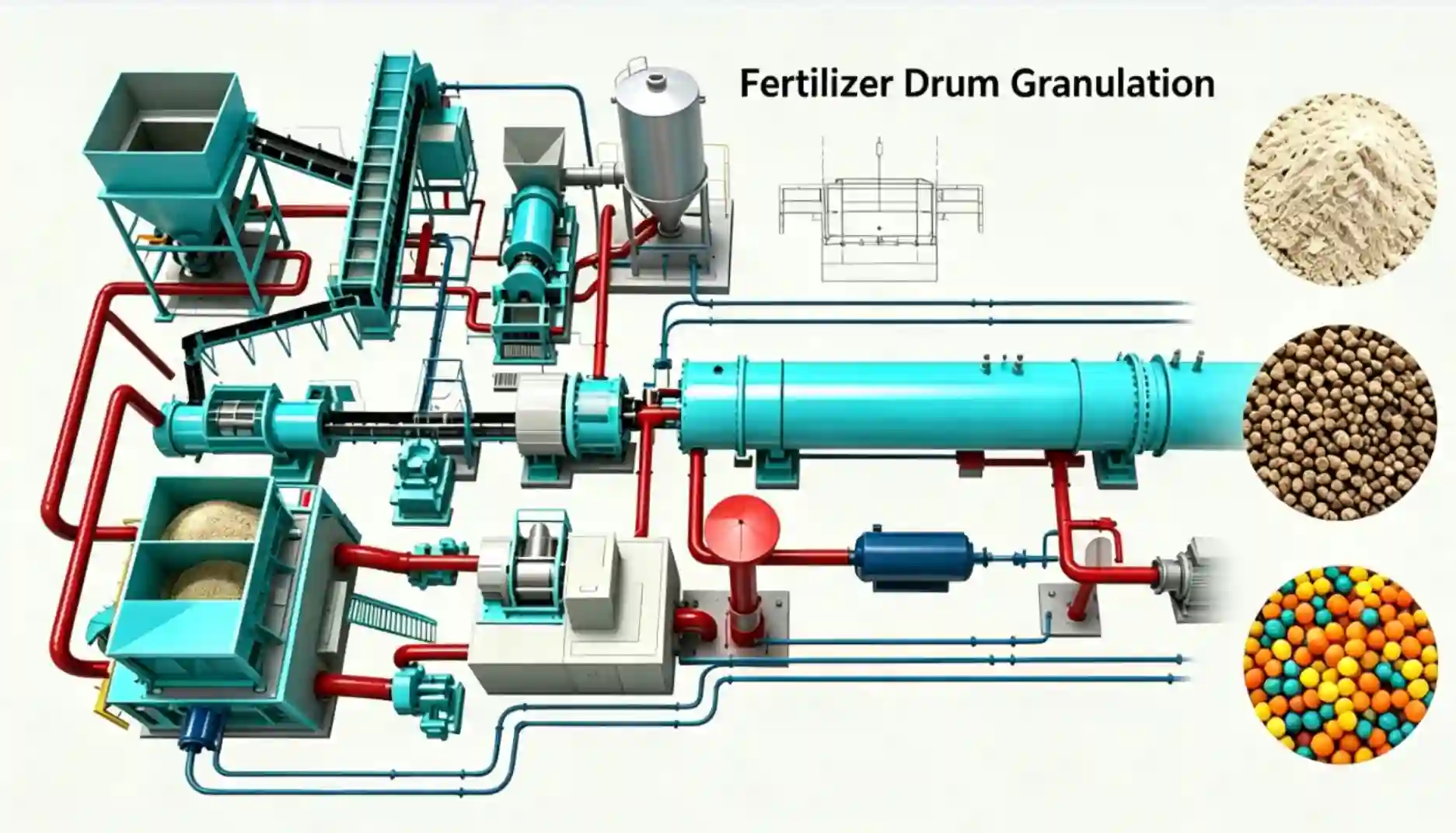
- Compatibility with rotary drums, coating drums, or other coating equipment.
- Ability to cover granules uniformly within the available processing time.
- Whether heating or dilution is required.
- Suitability for continuous automatic dosing.
- Influence on packaging machines and conveying systems.
Finished Fertilizer Performance
- Improved fertilizer flowability.
- Reduced caking and powdering.
- Stable granule appearance.
- No unacceptable effect on dissolution or nutrient analysis.
- Suitability for the storage and transportation conditions of the target market.
How Can Furuixue Help Select the Right Solution?
Furuixue provides fertilizer anti-caking oil and anti-caking powder solutions for urea, NPK, MAP, DAP, and other granular fertilizers. Product selection can be evaluated according to formulation, production equipment, granule temperature, moisture content, storage period, and transportation environment.
For production lines that require continuous spraying and surface film formation, Furuixue’s fertilizer anti-caking oil can be evaluated as a liquid coating solution. For dry blending, powder conditioning, or particle-separation applications, Furuixue’s anti-caking powder can be considered as an alternative.
Before selecting a specific product, fertilizer manufacturers should provide Furuixue with the fertilizer type, formulation, production capacity, existing coating equipment, target dosage, and storage and transportation conditions. Compatibility and storage tests using representative fertilizer samples can then help determine the most suitable anti-caking agent for the production line.